
Top 10 Problems That Inspectors Catch That the Average Home Buyer Does Not
By Editorial Team, Sep 25, 2026
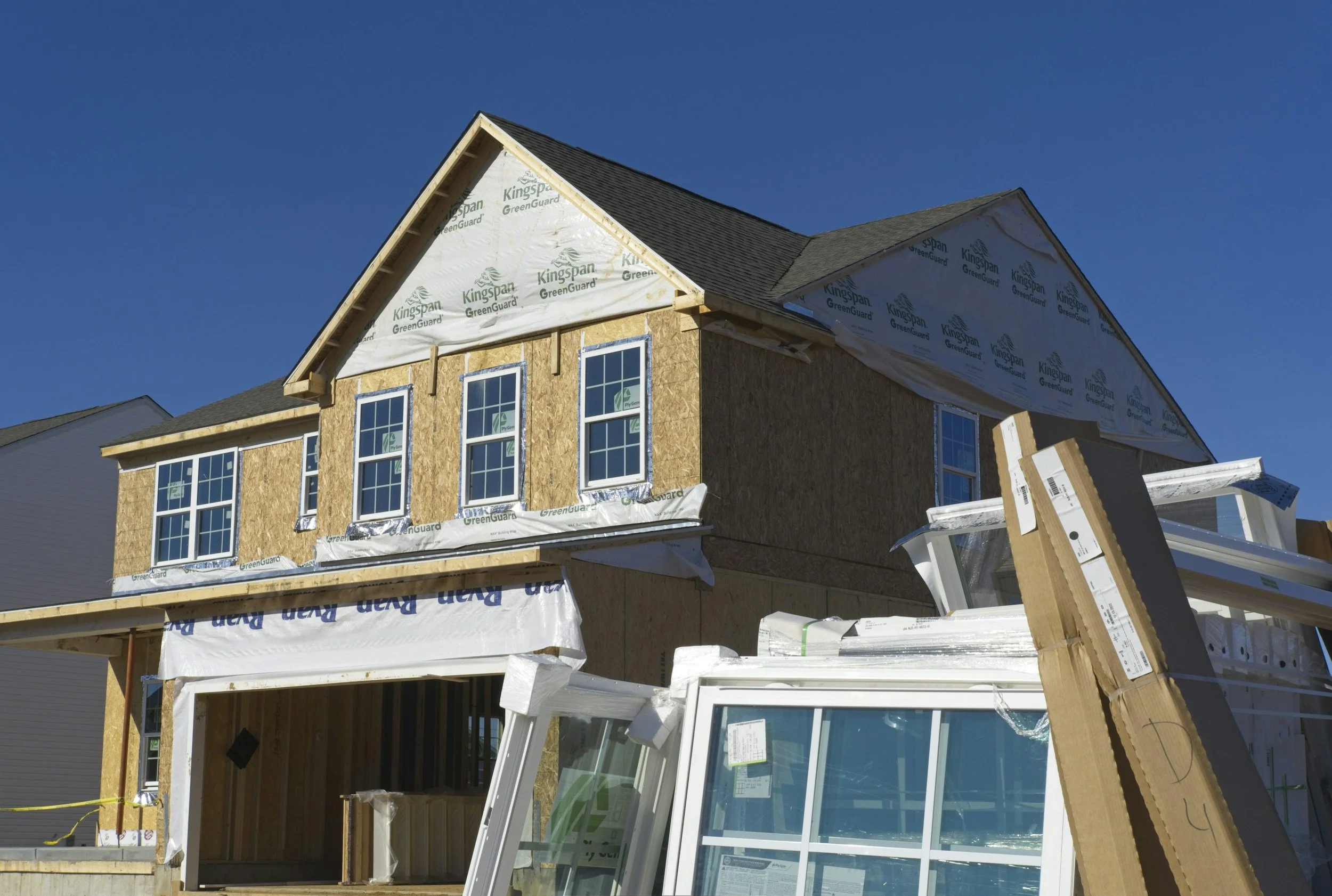
Buying a home is one of the most significant financial investments most people will ever make. When touring a property, buyers naturally gravitate toward aesthetic features—the open-concept floor plan, quartz countertops, updated paint, or modern light fixtures. However, shiny cosmetic upgrades often conceal underlying structural, mechanical, or safety hazards.
While a prospective homeowner might notice a cracked windowpane or a sticking cabinet, licensed home inspectors look past cosmetic staging to evaluate the core systems that keep a house safe, sound, and dry. Below are the top ten issues routinely caught during professional home inspections that average buyers completely miss.
Table of Contents
Improper Yard Grading and Water Drainage
Outdated or Hazardous Electrical Wiring
Hidden Roof Damage and Flashing Defects
Compromised Attic Insulation and Ventilation
Active Moisture and Mold in Crawlspaces
Aging or Defective Polybutylene Plumbing
Structural Foundation Cracks vs. Settling Cracks
Deferred HVAC System Maintenance
Missing or Faulty GFCI Protection
Concealed Water Leaks and Subfloor Rot
Conclusion
1. Improper Yard Grading and Water Drainage
A lush, green lawn around a home can look inviting, but the sloped contour of that land dictates where thousands of gallons of rainwater flow during a storm.
Home buyers rarely stand outside in the rain to see how water drains off the property. Inspectors check for slope, gutter discharge distances, and soil depression around the perimeter. If ground slope tilts toward the home rather than away (at least 6 inches over the first 10 feet), runoff pools against foundation walls. Over time, this leads to wet basements, cracked concrete, and severe structural damage.
2. Outdated or Hazardous Electrical Wiring
When a buyer flips a light switch and the bulb turns on, they assume the electrical system is safe. An inspector, however, opens the main service panel, removes the dead front cover, and examines the hidden wiring inside.
Inspectors frequently uncover hazardous electrical setups in older homes:
Aluminum Wiring: Used predominantly between 1965 and 1975, single-strand aluminum wiring expands and contracts faster than copper, creating loose connections that present a severe fire risk.
Knob-and-Tube Wiring: Found in pre-1950s homes, this system lacks a dedicated ground wire and degrades when surrounded by modern thermal insulation.
Double-Tapped Breakers: Occurs when two circuit wires are improperly connected to a single-pole breaker meant for one wire, increasing the risk of arcing and circuit overload.
3. Hidden Roof Damage and Flashing Defects
From the driveway, a roof might look perfectly intact. However, ground-level visual impressions are notoriously misleading.
Inspectors evaluate roofs using ladders, high-powered drones, or direct roof walks. What buyers miss include:
Lifted or Failed Step Flashing: Metal flashing installed around chimneys, skylights, and roof-wall junctions prevents water from entering the structure. Missing or poorly sealed flashing is one of the primary causes of hidden interior roof leaks.
Hail and Wind Damage: Granule loss on asphalt shingles weakens their defense against UV radiation and weather, drastically shortening roof lifespan long before visible leaks occur.
Improper Drip Edges: Missing drip edges allow water to curl back underneath shingles, rotting the roof decking and fascia boards behind the gutters.
4. Compromised Attic Insulation and Ventilation
Attics are hot, dusty, and cramped—which is why buyers rarely climb up to inspect them. Yet, the attic reveals crucial details about a home’s thermal envelope and moisture control.
Inspectors routinely discover blocked soffit vents (often caused by haphazardly blown-in insulation). Without balanced intake and exhaust ventilation, moisture from the home gets trapped in the attic, resulting in:
Ice damming in colder climates, which forces water under shingles.
Premature aging of roofing materials due to excessive heat accumulation.
5. Problems in Crawlspaces
Unless a home is built on a concrete slab, it likely features a basement or crawlspace. Buyers rarely squeeze into dark crawlspaces, but inspectors rely on moisture meters and thermal imaging to examine these sub-grade environments.
Common issues uncovered in crawlspaces include:
Missing Vapor Barriers: Uncovered earth releases soil moisture into the crawlspace air, warping wood joists and creating optimal conditions for mold proliferation.
Efflorescence: A white, powdery mineral deposit left on masonry walls when water evaporates through concrete. While not harmful itself, efflorescence confirms chronic water intrusion.
Wood-Rotting Fungi: Fungi thrive in dark, humid environments with relative humidity above 70%, silently destroying floor framing joists beneath the living area.
6. Aging or Defective Polybutylene Plumbing
Plumbing issues go far beyond a dripping faucet. Inspectors inspect exposed supply pipes under sinks, in basements, and at water heater connections to identify risky pipe materials.
Polybutylene (Poly-B) plumbing—installed heavily between 1978 and 1995—is a frequent inspection finding. These grey plastic pipes react with chlorine dissolved in municipal water supplies, becoming brittle and flaking from the inside out. The pipes can rupture unexpectedly, causing catastrophic water damage. Buyers rarely know what Poly-B looks like, whereas inspectors flag it immediately so buyers can budget for a full home re-pipe.
7. Structural Foundation Cracks vs. Settling Cracks
Almost every concrete foundation exhibits hairline cracking as concrete cures and settles over time. Buyers often panic at small vertical surface cracks while missing critical indicators of major structural distress.
FeatureNon-Structural Settlement CrackSerious Structural Foundation DefectOrientationVertical or minor diagonalHorizontal or staircase pattern along block jointsWidthLess than 1/8 inch (3 mm)Greater than 1/4 inch (6 mm) or offset/uneven surfacesLocationMid-wall or near cornersBase of foundation walls or extending across long spansSecondary SignsNone; localized onlySticking doors, stair-step cracks in exterior brick, sloped floors
Inspectors know how to evaluate crack geometry, soil hydrostatic pressure, and wall deflection to determine when a structural engineer’s evaluation is required.
8. Deferred HVAC System Maintenance
Home buyers usually test heating and cooling systems by turning the thermostat up or down. If air comes out of the vents, they check it off as working.
Inspectors perform a far deeper evaluation of HVAC components:
Heat Exchanger Integrity: In gas furnaces, micro-cracks in the heat exchanger can leak deadly carbon monoxide into household air. Inspectors use specialized cameras and combustion analyzers to check these components.
Temperature Differential (Delta T): Inspectors measure the supply and return air temperatures on air conditioners. A differential outside the 15°F to 20°F range points to low refrigerant levels, dirty coils, or failing compressors.
Condensate Drain Lines: Clogged HVAC drain lines can cause emergency drain pans to overflow, leading to concealed ceiling leaks or system shutdowns.
9. Missing or Faulty GFCI Protection
Ground Fault Circuit Interrupters (GFCIs) are fast-acting circuit breakers designed to shut off electric power in the event of a ground fault, preventing severe electrical shock.
According to the National Electrical Code (NEC), GFCIs are mandatory in areas exposed to moisture—including kitchens, bathrooms, garages, unfinished basements, and exterior outlets. Buyers frequently overlook missing GFCI outlets in older homes or fail to test existing ones with a circuit tester. Inspectors verify that GFCIs trip quickly and are wired correctly (avoiding reverse polarity, which renders safety mechanisms useless).
10. Concealed Water Leaks and Subfloor Rot
Cosmetic upgrades like new vinyl plank flooring or freshly painted walls can hide historical or active leaks. An inspector uses non-invasive thermal imaging cameras and moisture meters to look through wall cavities and subflooring.
Inspectors routinely catch:
Slow Sub-Tile Bathroom Leaks: Toilets with broken wax rings seep water beneath bathroom tile over months, rotting joists while remaining unnoticed from above.
Chimney and Siding Flashing Leaks: Water trickles down behind interior drywall, rusting structural fasteners and causing mold growth before surface stains appear.
Window Panes with Broken Thermal Seals: Argon gas leaking from double-pane windows reduces energy efficiency and causes fogging between panes under specific temperature conditions.
Conclusion
While an aesthetic walkthrough helps buyers decide if a home suits their personal tastes, it fails to uncover expensive, hidden system defects. Professional home inspectors serve as trained, objective evaluators who look beyond superficial finishes to assess a property's structural integrity, safety, and mechanical health.
By catching issues like hidden water leaks, outdated wiring, and faulty grading before closing, home buyers can negotiate repairs, request financial credits, or walk away from a potential money pit.
